
How to Care for Hand-Dyed Aerial Fabrics
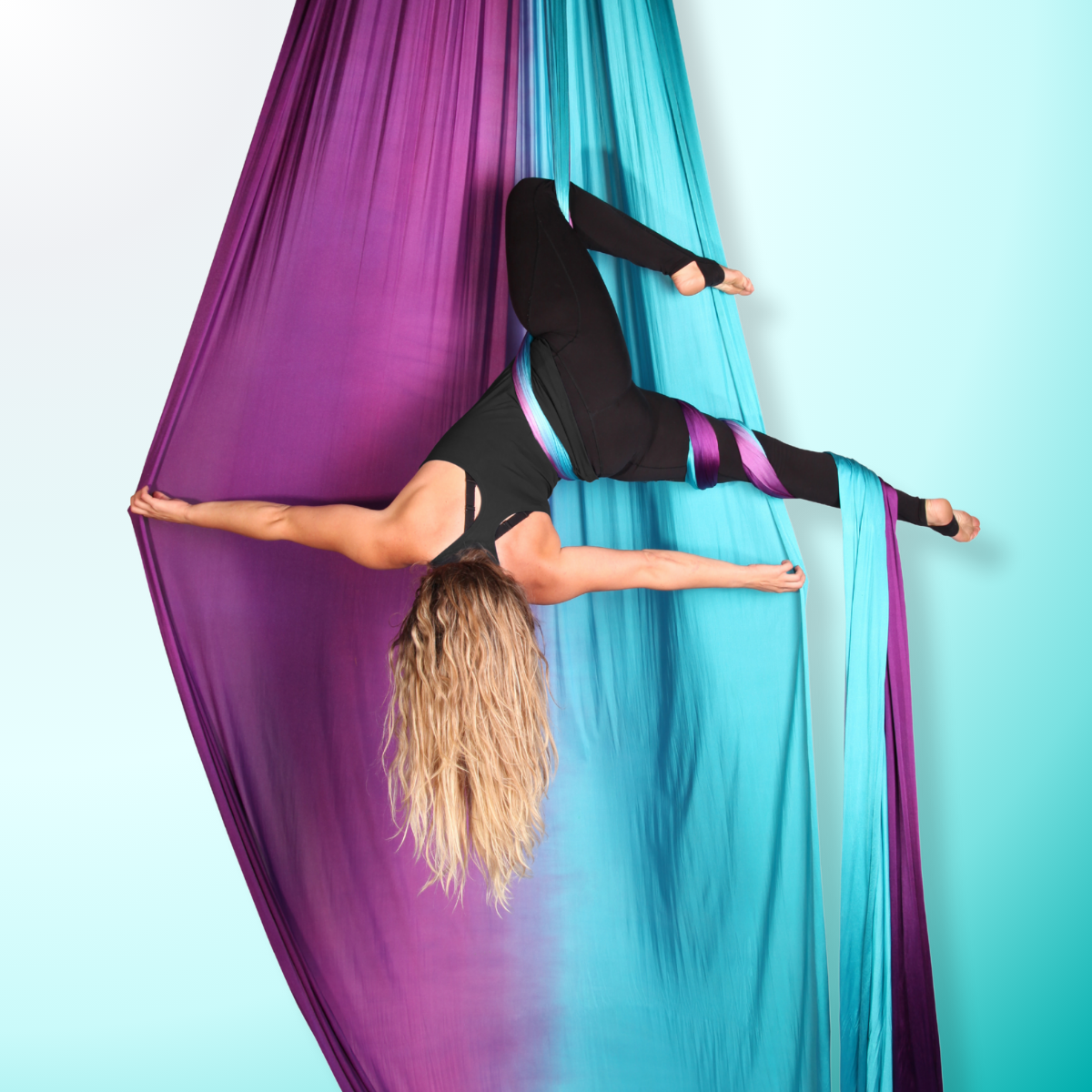
Why Hand-Dyed Fabrics Need Special Care
Hand-dyed aerial fabrics are beautiful, unique, and require a little more attention than commercially dyed textiles. The dyeing process used for our fabrics creates rich, one-of-a-kind colour variations — but improper washing or storage can cause fading, colour bleeding, or damage to the fibres. Follow these guidelines to keep your silks looking vibrant and performing safely for years.
First Wash: Colour Setting
For the first wash use cold water and a small amount of white vinegar (approximately 250 ml per wash) to help fix the dye. Wash separately from other fabrics.
Ongoing Washing Guidelines
- Temperature: Always wash in cold water (30°C or below). Hot water causes fibres to weaken and colours to fade rapidly.
- Cycle: Use a gentle or delicate cycle. Aggressive agitation can stress the fibres and distort the weave.
- Detergent: Use a mild, pH-neutral detergent. Avoid bleach, fabric softener, or enzyme-based detergents — these degrade the fibres and strip colour.
- Mesh bag: Place your silk in a mesh laundry bag to prevent tangling and reduce friction during the wash cycle.
- Separate colours: Wash dark or heavily saturated colours separately, especially for the first few washes.
Drying Your Aerial Silk
Never put aerial silks in a tumble dryer. The heat weakens the fibres and can cause shrinkage that affects the stretch and performance of the fabric.
Instead:
- Gently squeeze out excess water — do not wring or twist
- Hang to dry in a shaded area away from direct sunlight
- Allow to dry fully before storing or using
Direct sunlight causes UV degradation and fading, particularly in hand-dyed fabrics where the dye may be more susceptible to UV exposure than industrial dyes.
Storage
Store your aerial silk loosely coiled or folded in a breathable bag or pillowcase. Avoid:
- Plastic bags (traps moisture and can cause mildew)
- Compressed storage (can crease the fabric permanently)
- Damp or humid environments
- Direct sunlight or heat sources
Inspecting Your Fabric
Before every training session, inspect your silk for:
- Tears, holes, or runs in the weave
- Thinning or worn areas, particularly where the silk contacts the rigging hardware
- Unusual discolouration that may indicate chemical contamination
Retire any silk that shows signs of structural damage. A damaged silk is not safe for aerial use regardless of how it looks cosmetically.
Colour Variation is Normal
Hand-dyed fabrics will naturally have slight colour variation between batches and even within a single piece. This is a feature, not a flaw — it's what makes each silk unique. Over time, with proper care, the colours will mellow slightly but remain vibrant.
Have questions about caring for your specific silk? Contact us — we're happy to help.
-
Posted in
aerial silks, fabric care, hand-dyed, maintenance, washing